
Dead Zones Shrink Across Long Island Sound
What's Up
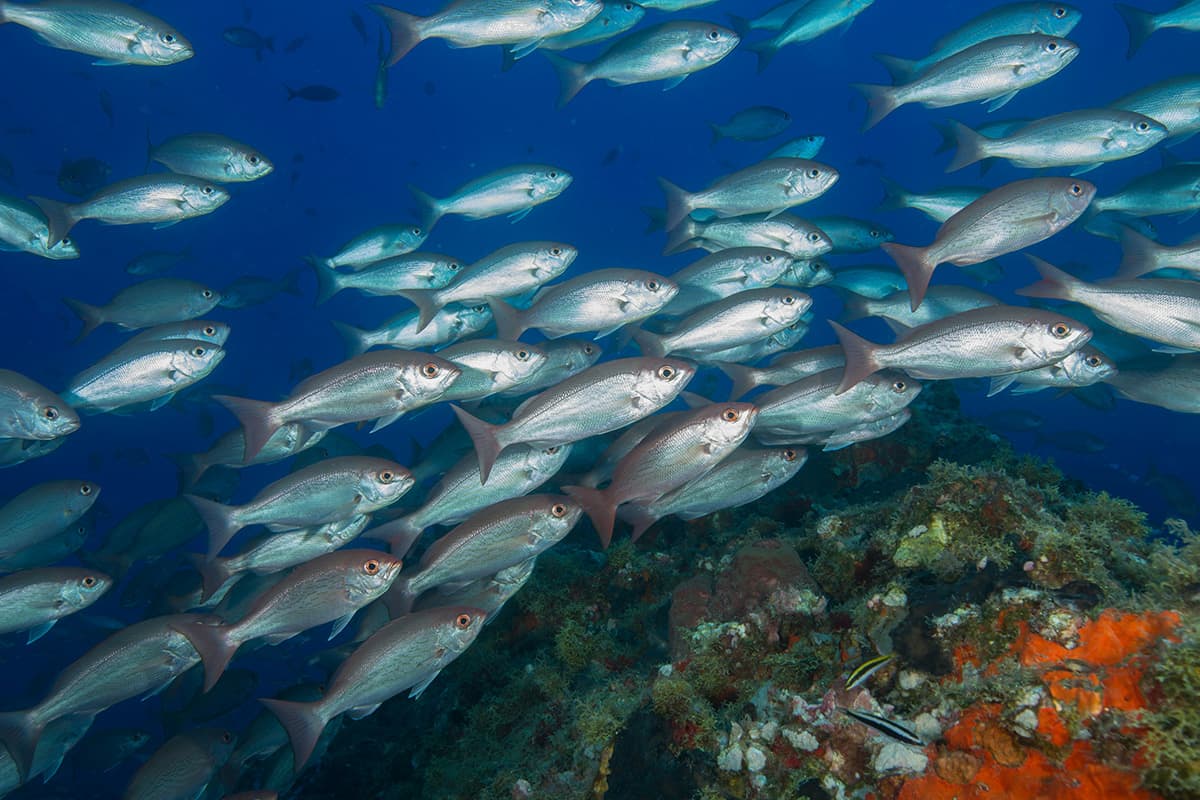
Hypoxia levels in Long Island Sound fell in 2025 to their lowest extent in nearly 40 years, according to new data from Connecticut’s Long Island Sound Water Quality Monitoring Program. Oxygen-poor “dead zones” peaked at about 18 square miles and lasted only 40 days, far below recent averages.
Why It Matters
These numbers provide rare, concrete evidence that long-term nitrogen controls and wastewater upgrades are paying off. Consultants working on nutrient TMDLs, CSO plans, and nonpoint-source projects can point to the Sound as a case study in how sustained investment changes system behavior. At the same time, climate-driven warming and stratification keep hypoxia on the radar, so adaptive management and continued tracking of dissolved oxygen remain central to estuary restoration work. Being able to translate these monitoring trends for municipal and private clients can strengthen the case for their next round of upgrades.
Iowa River Project Frees Steamboat Rock Reach

What's Up
Iowa DNR has kicked off a $1.3 million Iowa River Restoration, Water Recreation, and Safety Project in the town of Steamboat Rock. Crews are beginning to notch and remove sections of a low-head dam near Pine Ridge Park, reshaping the channel to restore more natural flows and improve paddling and fishing access.
Why It Matters
Low-head dam mitigation continues to be a major driver of river projects across the Midwest, blending public safety, habitat goals, and local economic development. Consultants watching this project will see a familiar package: hydraulic modeling, sediment management, fish passage, and in-channel recreation features rolled into one scope. Case studies like Steamboat Rock can help you communicate benefits and tradeoffs when you talk with communities about modifying their own aging structures. They also underscore the importance of staging, monitoring, and adaptive design when dam removal and recreation objectives share the same footprint.
Scott River Restoration Rebuilds Salmon Habitat
What's Up
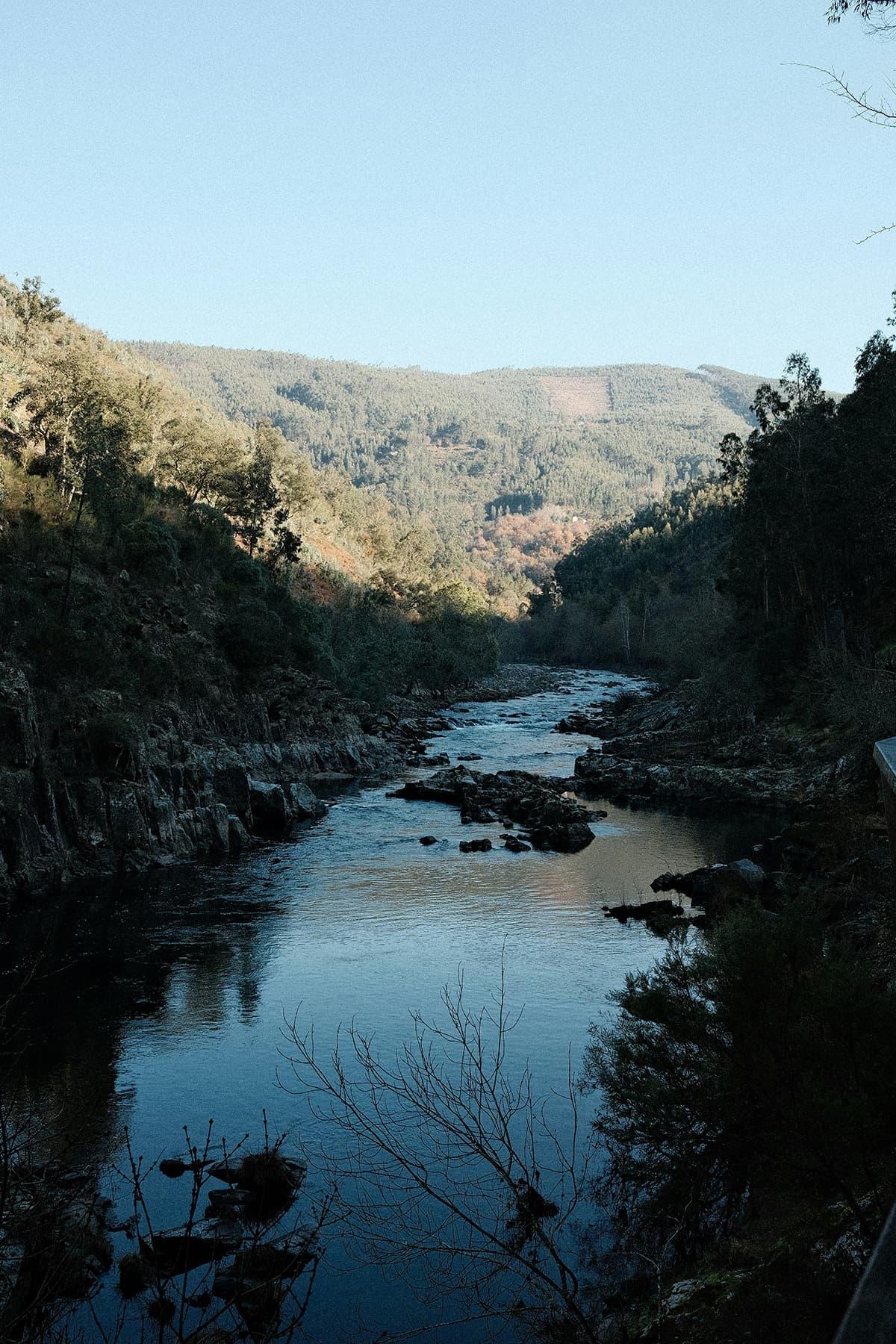
Sustainable Conservation’s newest Restoration Round-Up profiles a multi-partner effort on California’s Scott River, a key Klamath Basin tributary for coho salmon. Led by the Yurok Tribe and CalTrout, the project is removing legacy mining tailings, reconnecting floodplains and side channels, and modernizing irrigation infrastructure to improve instream flows and fish passage while keeping working lands viable.
Why It Matters
The Scott River story is a playbook for process-based restoration that integrates habitat, water management, and tribal leadership. Consultants working in agricultural watersheds can draw lessons on how to pair conveyance modernization with habitat gains and navigate permitting more efficiently. It also illustrates how early, trust-based collaboration with Tribes and producers can reduce conflict and open the door to larger, landscape-scale projects. Referencing examples like this can help your clients and regulators visualize what multi-benefit river restoration looks like in practice.
New WOTUS Proposal Narrows Federal Protections
What's Up
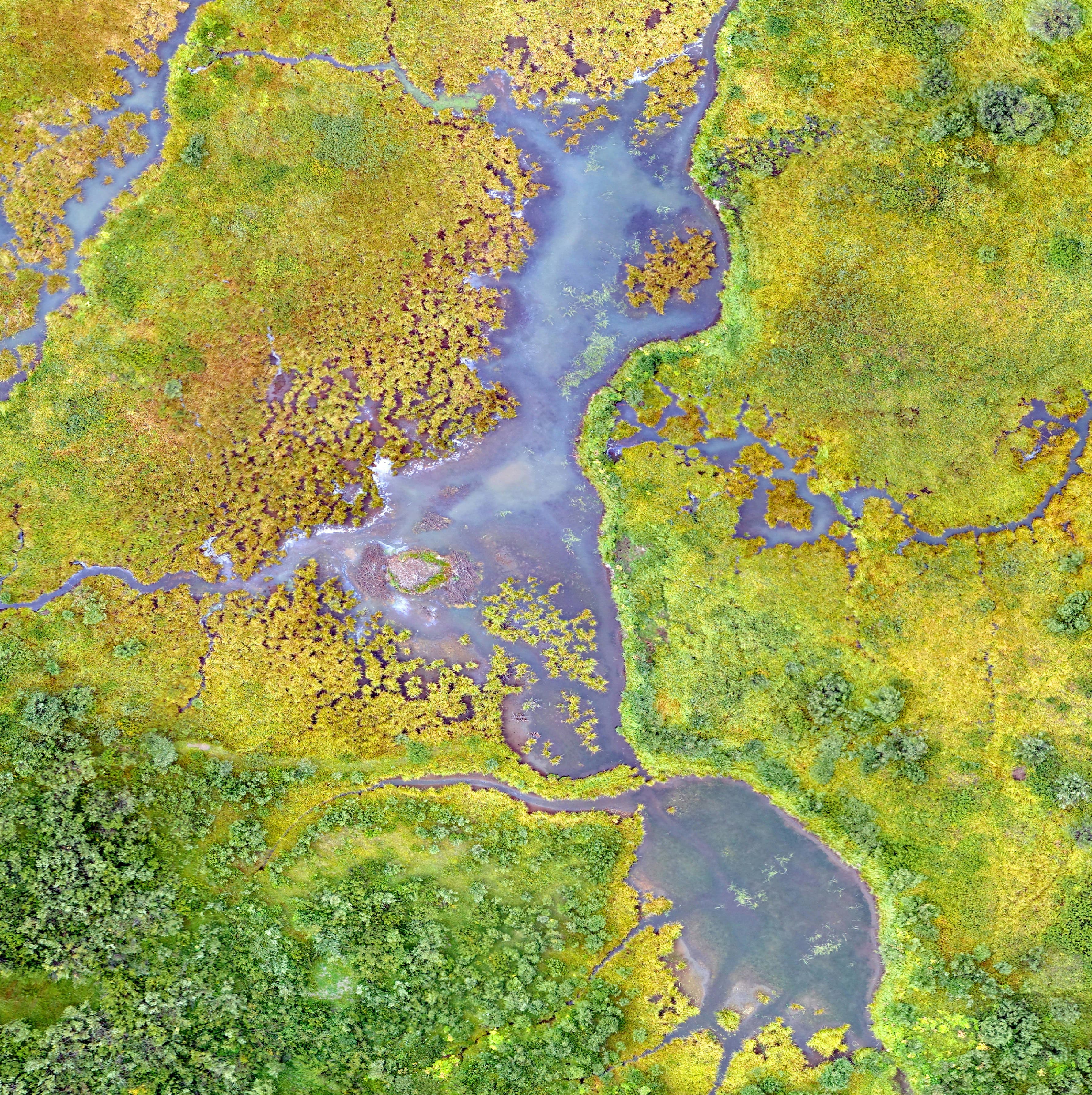
EPA and the U.S. Army Corps have released another proposed rule redefining “Waters of the United States,” continuing the long-running tug-of-war over Clean Water Act jurisdiction. The December 8 analysis from K&L Gates highlights how the proposal would further narrow which wetlands and ephemeral or intermittent streams fall under federal oversight and how states are expected to fill emerging gaps.
Why It Matters
For consultants, the moving target around WOTUS directly affects delineations, permitting strategies, and project timelines. A narrower federal definition may reduce Corps permitting in some basins, but it also creates a patchwork of state rules and increases the need for clear, defensible jurisdictional analyses. Clients will be looking to you to explain when federal coverage still applies, when state programs or local ordinances backfill protections, and how risk profiles change for linear infrastructure, land development, and restoration projects. Staying current on both the federal proposal and emerging state-level dredge-and-fill regimes will be essential heading into 2026.
Grants Supercharge Long Island Sound Restoration
What's Up
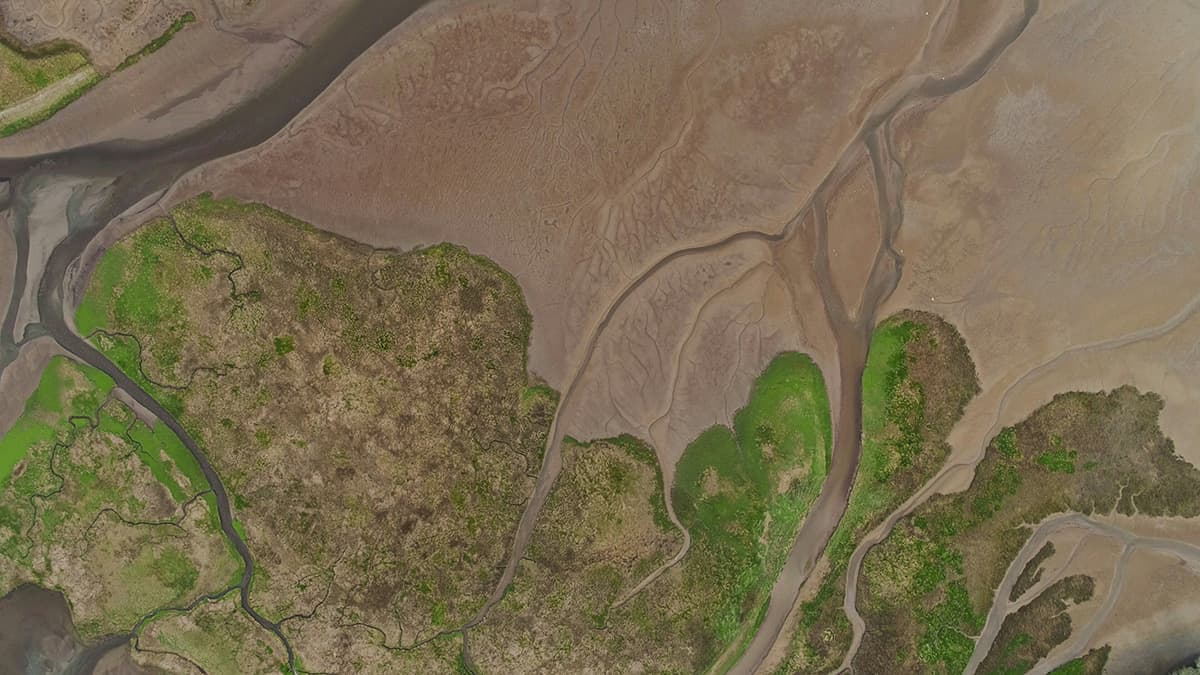
Federal and state partners just awarded nearly $12 million in Long Island Sound Futures Fund grants to 36 projects across Connecticut, New York, and neighboring states. The awards will fund riparian buffers, green roofs, salt marsh and fish passage restoration, and community outreach aimed at cutting stormwater, nitrogen, and marine debris in the estuary.
Why It Matters
For aquatic resource consultants, this is a clear signal that estuary-focused restoration funding is alive and well even as federal regulations come under pressure. Many of the funded projects will need permitting support, monitoring plans, and post-construction performance reporting that consultants can provide. The grants also highlight how green stormwater infrastructure, coastal habitat work, and public engagement are being packaged together in competitive proposals. Understanding how Futures Fund priorities are framed can help your clients position their own watershed and shoreline projects for the next round.