
Story 1: EPA OKs Berry’s Creek Cleanup Plan
What’s Up
On Oct. 8, 2025, EPA approved the cleanup blueprint for the Berry’s Creek Study Area and UOP waterways in New Jersey, advancing a long-running Superfund effort into the remedial design phase.
The plan calls for targeted sediment removal, capping, habitat reconstruction, and long-term monitoring across tidal marshes and channels in the Meadowlands.
Why It Matters
Work will drive multi-year permitting, access coordination, and construction windows in sensitive tidal wetlands—expect seasonal work restrictions and extensive stakeholder coordination. Consultants supporting owners and municipalities around the Hackensack/Meadowlands should plan for pre-design data collection, cap design/armoring, and post-construction monitoring scopes. Anticipate interface with navigation, endangered species, and water quality certification teams as elements move into design and procurement.
Source: Read EPA’s approval notice
Story 2: Savannah 408 Review—230 kV Line Reconductor
What’s Up
USACE Savannah District opened a Section 408 review for replacing a 230 kV transmission line over the Savannah River Below Augusta federal navigation channel; comments are due Nov. 1, 2025.
 The work keeps clearance at 89 feet above OHWM while reconductoring on existing structures to maintain navigational safety during construction.
Why It Matters
Section 408 approvals can gate project schedules even when no new structures are added—plan for coordination alongside Section 10/404 authorizations. Field teams should verify river user notifications and outage timing with the utility and USACE to avoid navigation conflicts. Include construction access, erosion controls, and avian protection plans in submittals to speed review.
Story 3: Mobile PN—RaceTrac Wetland Fill Request
What’s Up
USACE Mobile District posted Public Notice SAM-2013-00944-CAA seeking comments on a proposal to place fill in wetlands for a RaceTrac development in Baldwin County, Alabama.
The notice describes wetland impacts, proposed minimization, and mitigation pathways and invites public input within the stated comment window.
Why It Matters
Retail/commercial infill on highway corridors continues to trigger individual 404 reviews in the Gulf states—consultants should assess practicable alternatives and mitigation banking availability early. Expect agency focus on secondary/indirect effects (stormwater, lighting, traffic) near aquatic resources. Tight comment timelines make early coordination with local governments and AL MEPDES stormwater requirements critical.
Source: Mobile District Public Notices
Story 4: Norfolk 408—Downtown Waterfront Pier Repairs
What’s Up
USACE Norfolk District is evaluating a Section 408 request to replace deteriorated fender piles and deck planks along the City of Norfolk waterfront on the Elizabeth River; comments close Oct. 29, 2025.
Work would replace-in-kind timber elements at multiple locations and is coordinated with a concurrent DA permit (Nationwide Permit 3—Maintenance).
Why It Matters
Even “in-kind” pier maintenance adjacent to federal projects triggers 408 review—teams should align scopes, TOY restrictions, and ESA/EFH consultation across Section 10/404 and 408 tracks. Public safety and maritime access drive schedule pressure near working waterfronts; build time for material procurement and in-water windows. Early engagement with VMRC and local harbor masters can streamline mobilization and staging.
Story 5: CA Eases Livestock Diversion Restrictions
What’s Up
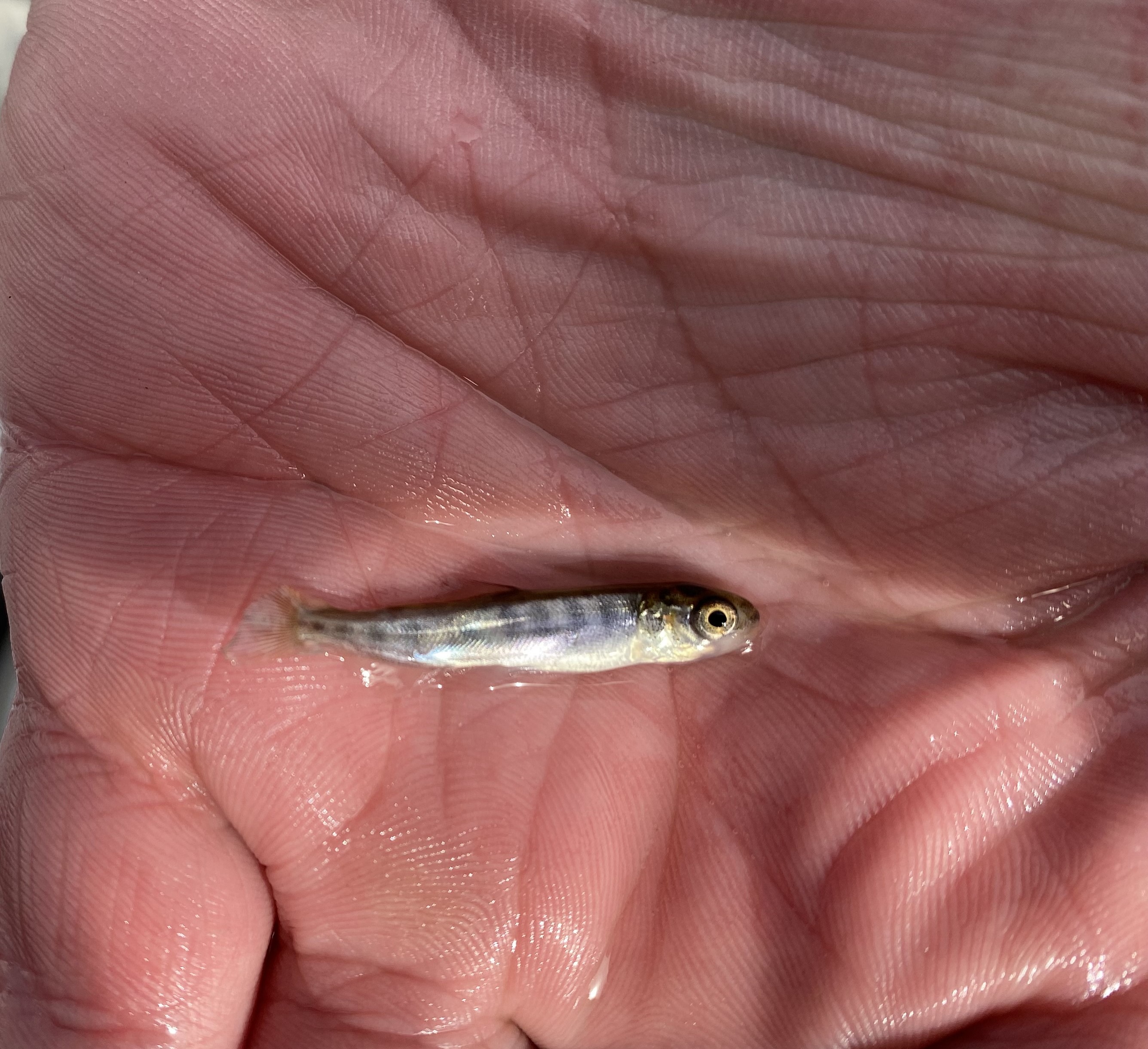
The California State Water Resources Control Board announced that, as of Oct. 14, 2025, flows are sufficient to allow temporary diversions for inefficient livestock watering in the Scott and Shasta River watersheds through Oct. 31 (with conditions). Curtailments in the Shasta were also suspended effective Oct. 15, subject to the emergency regulation and addendum terms.
Why It Matters
For clients in Siskiyou County, this brief window changes diversion planning and reporting—confirm connectivity, bypass flows, and notice requirements before taking water. Habitat-sensitive timing remains a constraint as salmon migration proceeds; coordinate with CDFW where needed. Consultants should update drought/emergency playbooks and advise ranching operations on compliance and documentation to avoid enforcement risk.